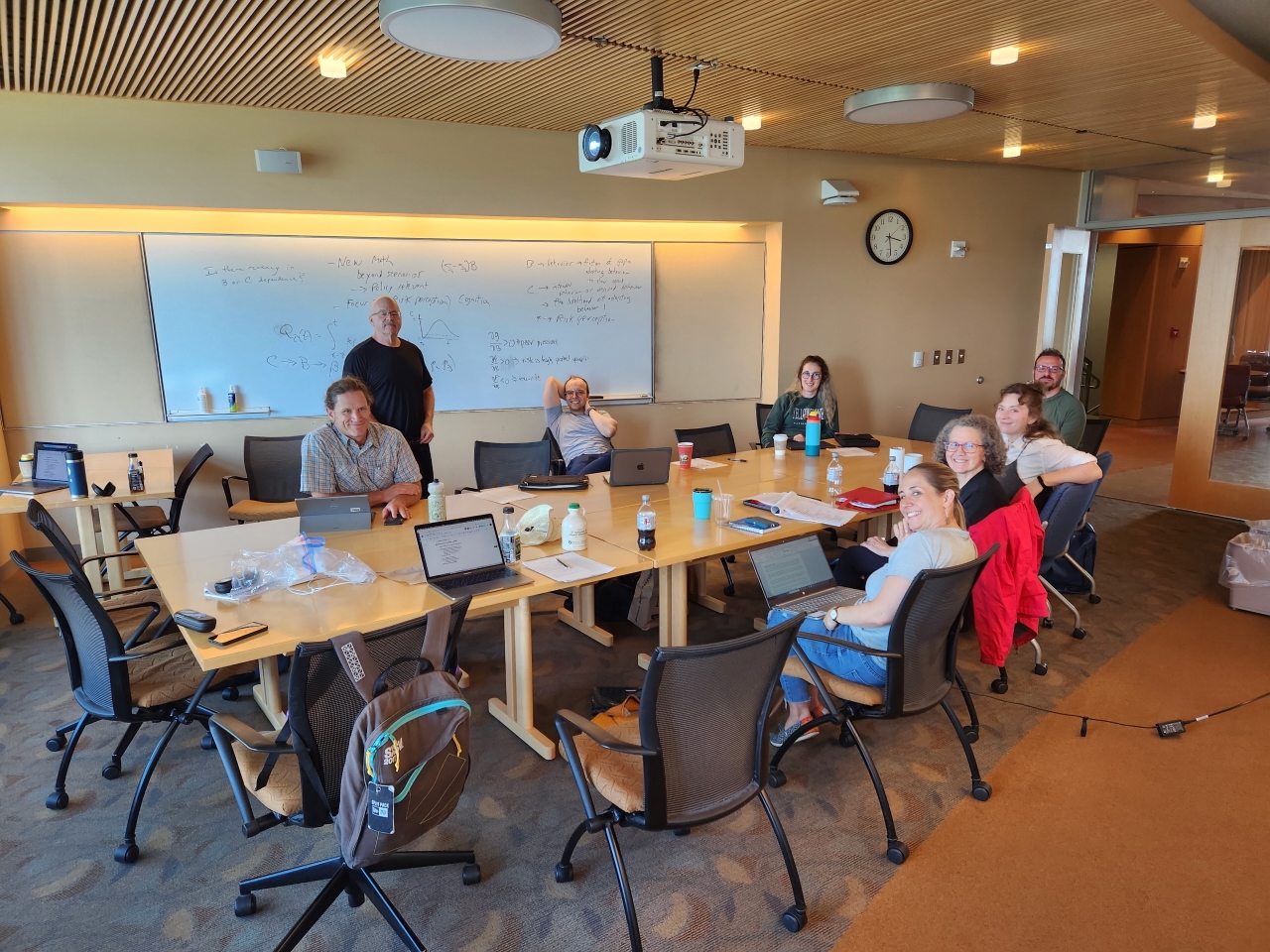
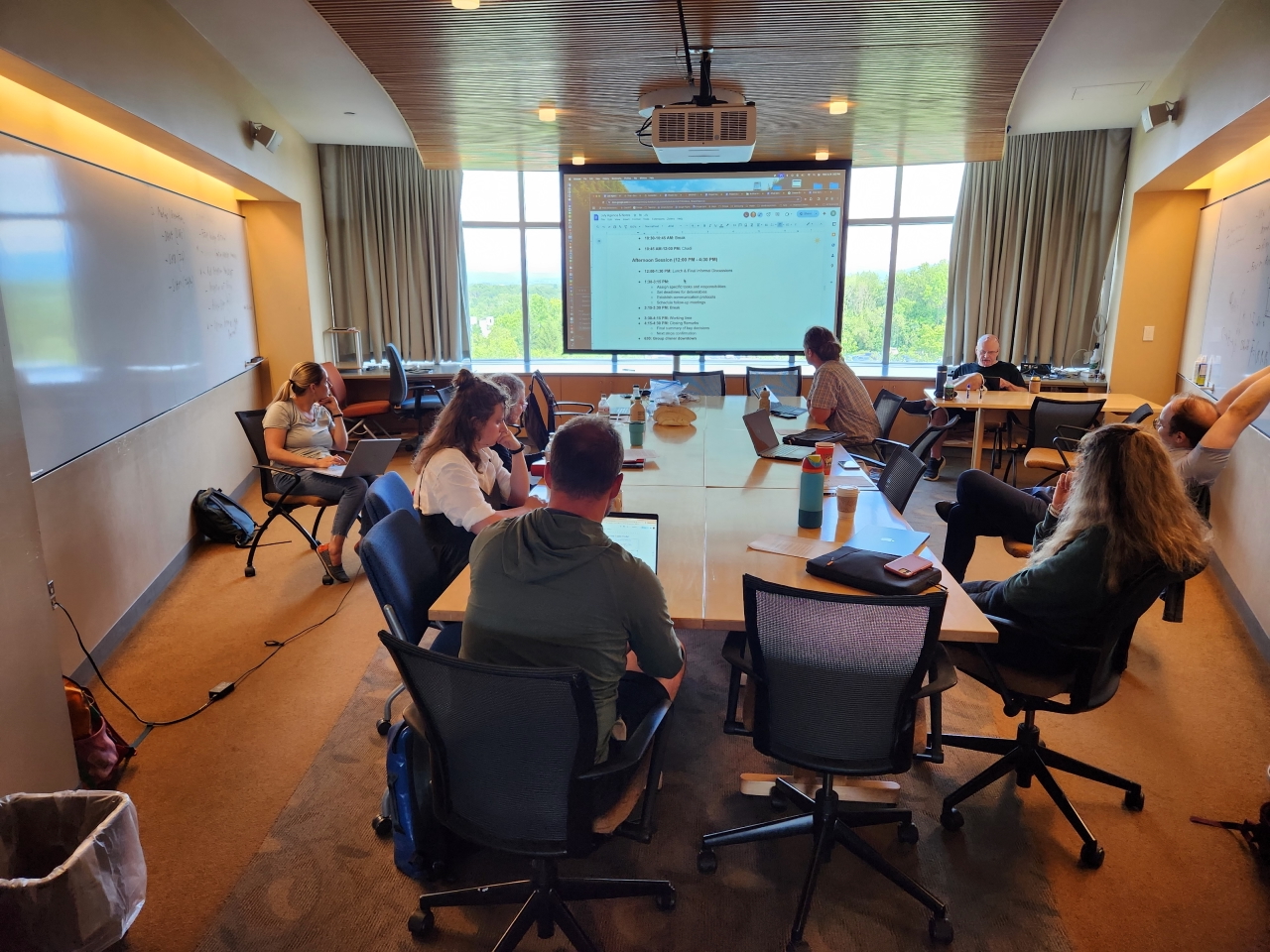
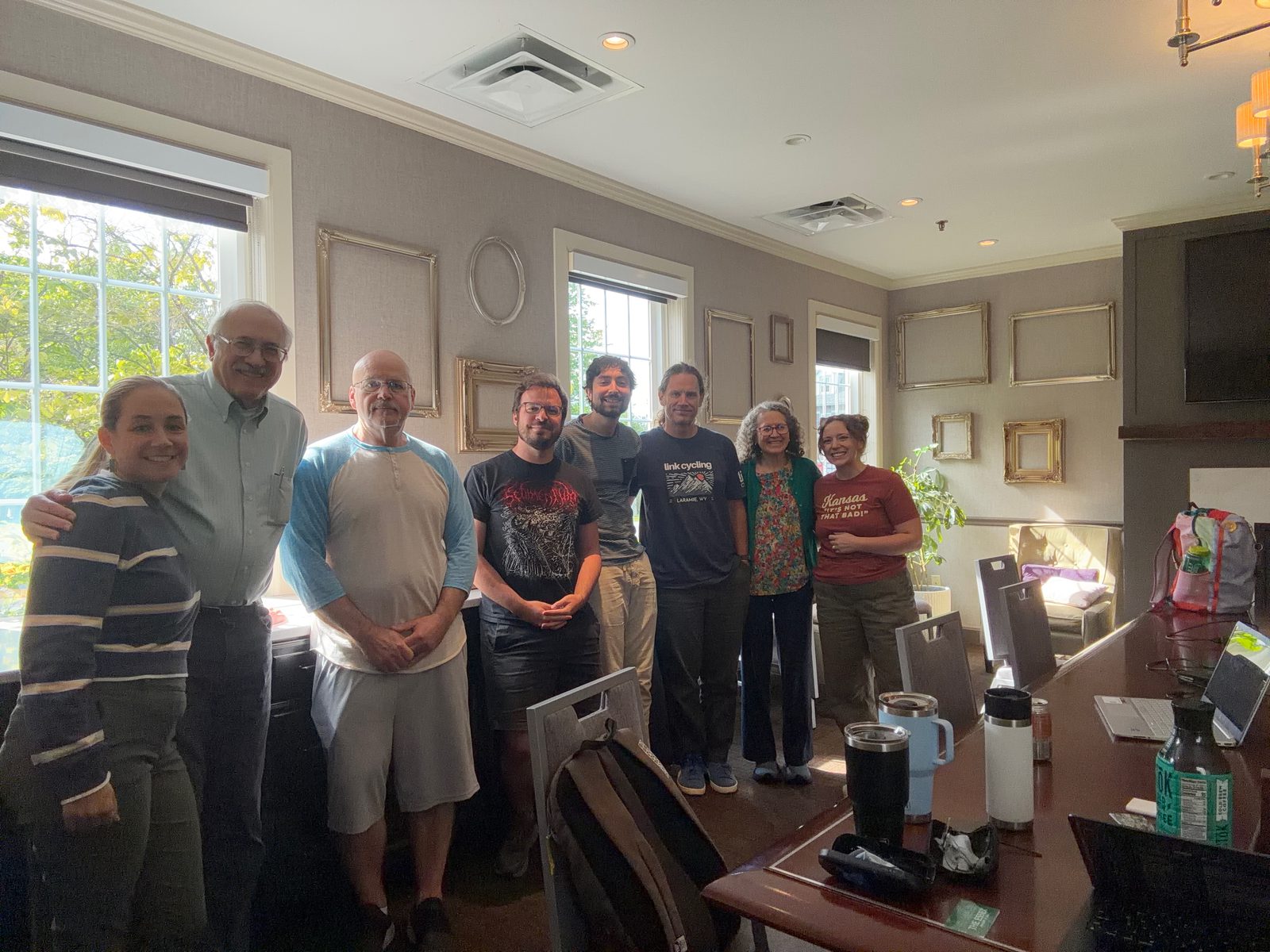
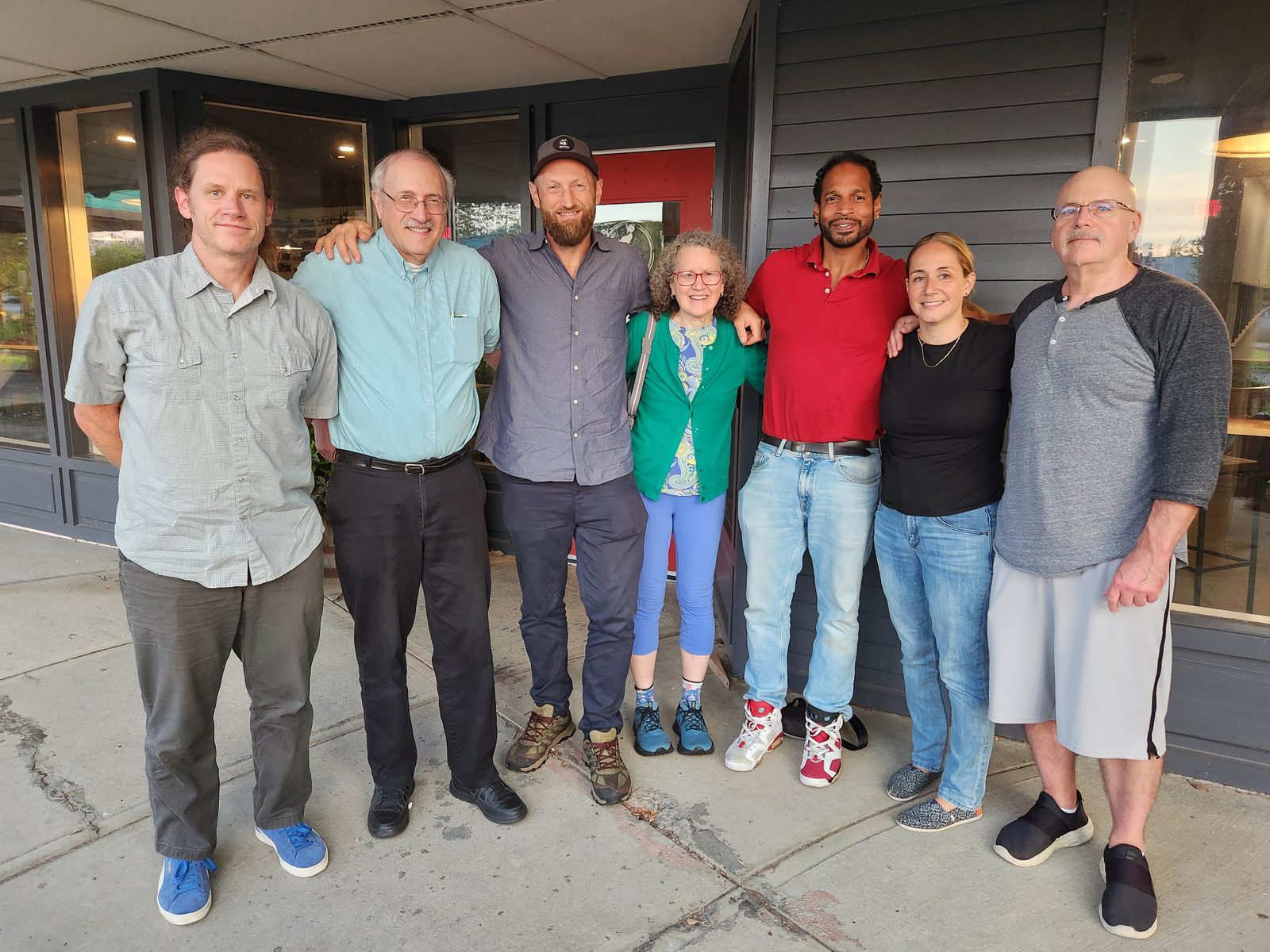
Photos from the workshop:
MPOPHC: Integrating human risk perception and social processes into policy responses in an epidemiological model
Supported by the National Science Foundation through Award #2436120
Overview |
Personnel |
Publications |
Presentations |
Workshop |
Meetings |
Epidemics arise from interactions between pathogens and their human hosts, where the pathogen influences human behavior and human behavior, in turn, influences the spread of the pathogen. The models used to forecast epidemics have nevertheless focused on biological processes and policy interventions, representing the human response to disease with a few static parameters, if at all. But disease transmission depends on people's behaviors, which are shaped by their perceptions of risk from both the disease and health interventions, as well as by the opinions and behaviors of the people around them. We are developing mathematical epidemiological models that represent the complexity of the human response to disease and that can be used to evaluate the relative impacts of public health policies on disease dynamics.
We represent human cognition, social influence, and policy responses as a system of differential equations coupled to a traditional Susceptible-Exposed-Infected-Recovered (SEIR) epidemiological model, using infectious respiratory diseases such as COVID-19, seasonal influenza, and avian influenza (H5N1) as model systems. The adoption of protective behaviors (for example, vaccination and physical distancing) is a function of perceived risk, health policies (for example, lockdowns and vaccine mandates), and the behavior of other people (that is, social norms), and these behaviors mediate disease spread and impacts that feed back, in turn, into human behavioral and policy responses. Mathematical novelty arises because cognition depends on the history of infection, so that the model equations have past-dependence and become differential integral equations. We use these models to analyze the sensitivity of and uncertainty in epidemic forecasts that arise from human risk perception, social influence, protective behaviors, and policy interventions.
The National Science Foundation award that supports this project (October 2024 to September 2027) was made through the program on Mathematical Modeling of Policy Options for Evolving Public Health Challenges (MPOPHC) and is co-funded by the NSF Division of Mathematical Sciences (DMS) and the CDC Coronavirus and Other Respiratory Viruses Division (CORVD).
Brian Beckage. Principal Investigator. Department of Plant Biology and Department of Computer Science, University of Vermont.
Louis J. Gross. Senior Personnel. Departments of Ecology and Evolutionary Biology and Mathematics, University of Tennessee, Knoxville.
Suzanne Lenhart. Co-Principal Investigator. Department of Mathematics, University of Tennessee, Knoxville.
Charles Sims. Co-Principal Investigator. Baker School of Public Policy and Public Affairs and Department of Economics, University of Tennessee, Knoxville.
Katherine Lacasse. Co-Principal Investigator. Department of Psychology, Rhode Island College.
Chadi M. Saad-Roy. Senior Personnel. Department of Mathematics and Department of Microbiology and Immunology, University of British Columbia.
Laurent Hébert-Dufresne. Collaborator. Department of Computer Science and Vermont Complex Systems Institute, University of Vermont.
Emma Lewis. MA student, August 2026 - present. Department of Psychology, Rhode Island College.
Former team members
Ari Freedman. Postdoc, September 2025 - September 2026. Department of Plant Biology and Vermont Complex Systems Institute, University of Vermont.
Greta Savitsky. PhD student, July 2025 - August 2026. Department of Plant Biology and Gund Institute for Environment, University of Vermont.
Kathryn Faria. MA student, March 2025 - May 2026. Department of Psychology, Rhode Island College.
Zoey St. Jean. BS student, March 2025 - May 2026. Department of Psychology, Rhode Island College.
Savitsky, Greta, Brian Beckage, and Dale S. Rothman. 2026. Mechanistic ecological feedbacks in DICE 2023: Physical divergence and welfare sensitivity. Research Square. In review, Communications Sustainability. https://doi.org/10.21203/rs.3.rs-10923079/v1
Lacasse, Katherine, Kathryn Faria, Zoey St. Jean, Emily Achin, Ari Freedman, Chadi M. Saad-Roy, Louis J. Gross, and Brian Beckage. 2026. Disease severity and vulnerable others drive health decision-making during outbreaks. In review, Applied Psychology: Health and Well-Being.
Freedman, Ari, Louis Gross, Suzanne Lenhart, Katherine Lacasse, Chadi M. Saad-Roy, Charles Sims, and Brian Beckage. 2026. The impact of risk perception on policy effectiveness with a cognitive epidemiological model. SSRN. https://dx.doi.org/10.2139/ssrn.7283578
Punnavajhala, Amrita, Brian Beckage, Madhur Anand, Daniele Visioni, Jared Farley, Chris T. Bauch. 2026. Impacts of social and impact heterogeneity on social-climate outcomes. arXiv:2607.13438. In review, Proceedings of the Royal Society A. https://arxiv.org/abs/2607.13438
Beckage, B., L. J. Gross, A. Freedman, L. Hébert-Dufresne, S. Lenhart, C. Saad-Roy, and C. Sims. 2026. Centering human cognition in epidemiological models. EcoEvoRxiv. In press, Future Virology. https://doi.org/10.32942/X2BD5R
Freedman, Ari S., Bjarke Frost Nielsen, Chadi M. Saad-Roy, Bryan T. Grenfell, C. Jessica E. Metcalf, and Simon A. Levin. 2026. Economic factors promoting vaccine nationalism in the face of viral evolution. PLOS Computational Biology 22(8): e1014466. https://doi.org/10.1371/journal.pcbi.1014466
Freedman, Ari S., Bjarke F. Nielsen, Maximilian M. Nguyen, Laurent Hébert-Dufresne, and Simon A. Levin. 2026. Tracking dynamics of superspreading through contacts, exposures, and transmissions in edge-based network epidemics. Bulletin of Mathematical Biology 88(7): 127. https://doi.org/10.1007/s11538-026-01685-5
Freedman, Ari S., Simon A. Levin, Stephen A. Felt, and Giulio De Leo. 2026. A unifying theoretical framework for tick-borne disease risk to explain conflicting results of exclosure experiments across scales. Proceedings of the Royal Society B 293(2064): 20252560. https://doi.org/10.1098/rspb.2025.2560
Shin, Yoon Ah, Sara M. Constantino, Louis J. Gross, Ann Kinzig, Katherine Lacasse and Brian Beckage. 2025. Culture mediates climate opinion change: A System dynamics model of risk perception, polarization, and policy effectiveness. Climate. https://www.mdpi.com/2225-1154/13/9/194
Savitsky, Greta, Grace Burnett, and Brian Beckage. 2025.
Carbon, climate, and collapse: Coupling climate feedbacks and resource dynamics to predict societal collapse.
Systems.
https://doi.org/10.3390/systems13090727
Link to pdf
Beckage, Brian, Katherine Lacasse, Kaitlin T Raimi and Daniele Visioni. 2025. Models and scenarios for solar radiation modification need to include human perceptions of risk. Environmental Research: Climate. 4 023003 https://doi.org/10.1088/2752-5295/addd42
Yoon Ah Shin, Sara Constantino, Brian Beckage and Katherine Lacasse. 2025. Climate change
and opinion dynamics models: Linking individual, social, and institutional-level change. Current Opinion
in Behavioral Sciences.
https://doi.org/10.1016/j.cobeha.2025.101528
Link to pdf
| Date | Presenter | Presentation | Links |
|---|---|---|---|
| August 2026 | Brian Beckage | A framework for human behavior in models. Framing talk, Workshop on Public Health Policy, Risk Perception, and Infectious Disease, Essex, Vermont. | Workshop report |
| August 2026 | Charles Sims | Policy, economics, and infectious disease. Framing talk, Workshop on Public Health Policy, Risk Perception, and Infectious Disease, Essex, Vermont. | Workshop report |
| August 2026 | Katherine Lacasse | Experimental data on how people respond to infectious disease. Framing talk, Workshop on Public Health Policy, Risk Perception, and Infectious Disease, Essex, Vermont. | Workshop report |
| August 2026 | Suzanne Lenhart | Integrating human risk perception and behavior into epidemiological models. Invited paper session "Bridging the Gap – Insights with Modeling," MAA MathFest, Boston, Massachusetts. | Program |
| July 2026 | Suzanne Lenhart | Inclusion of human risk perception, behavior, and policies into epidemiological models. Invited colloquium (online), Masamu Collaborative Research Network Virtual Colloquia Series (mathematics collaboration with Southern Africa). | Schedule (pdf) |
| June 2026 | Kathryn Faria et al. | It's not all about you: Altruistic concern for vulnerable people is a primary factor in health decision-making. Poster, Annual Conference of the Society for the Psychological Study of Social Issues (SPSSI), New Orleans, Louisiana. | Poster (pdf) |
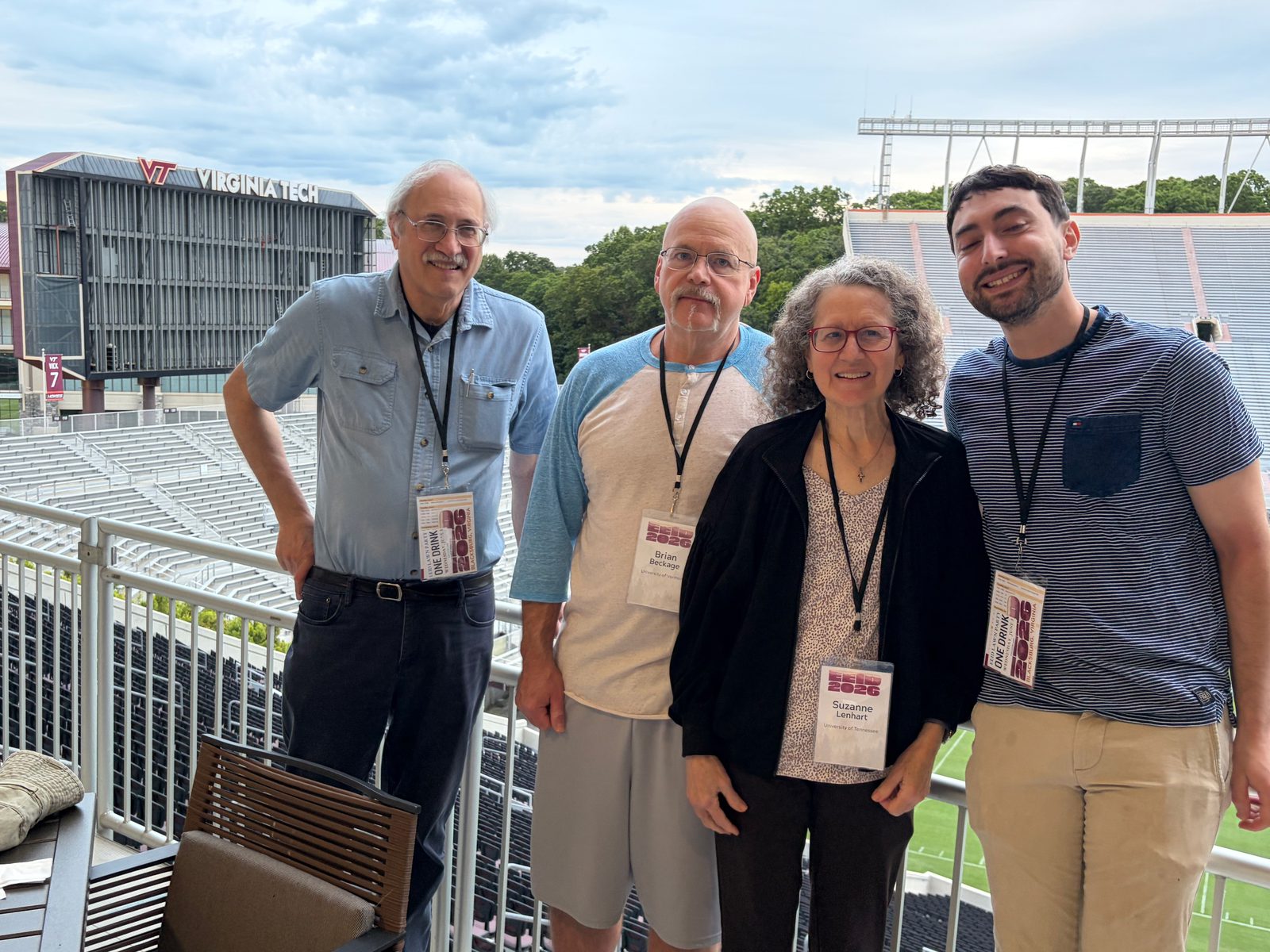
| June 2026 | Ari Freedman | Centering Human Cognition in Epidemiological Models. Poster, Ecology and Evolution of Infectious Diseases (EEID) meeting, Virginia Tech, Blacksburg, Virginia. | Abstract (pdf) |
| April 2026 | Ari Freedman | Modeling and measuring the effects of policies to regulate infectious disease transmission and human behavior. Joint CAM/Mathbio Seminar, Department of Mathematics, University of Tennessee, Knoxville. | Abstract |
| April 2026 | Louis J. Gross | Pharmacology, Procreation and Rock n' Roll: What's Math got to do with it? Talk to students at the Knoxville STEM Academy, Knoxville, Tennessee. | Slides (pptx) |
| March 2026 | Ari Freedman | The role of behavior in human and animal infectious disease dynamics: considerations for modeling and control. James Marvin Memorial Seminar Series, Department of Plant Biology, University of Vermont. | Seminar schedule |
| February 2026 | Katherine Lacasse, Kathryn Faria, and Zoey St. Jean | From infection rates to social norms: What drives mask-wearing choices? Talk, Annual Meeting of the Eastern Psychological Association, Boston, Massachusetts. | Slides (pdf) |
| February 2026 | Louis J. Gross | Human Behavior Models for Climate Change and Disease Dynamics. National Institute for Theory and Mathematics in Biology (NITMB), Northwestern University. | Slides (pptx) Abstract |
| January 2026 | Louis J. Gross | Behavior Models for Climate Change and Disease Dynamics. Mathematical Biology Seminar, University of California, Davis. | Slides (pptx) |
| January 2026 | Suzanne Lenhart | Integrating human risk perception and behavior into an epidemiological model. Invited talk, special session on Advances in Ecological and Epidemiological Models: Analysis and Applications, Joint Mathematics Meetings, Washington, DC. | Abstract |
| November 2025 | Louis J. Gross | Talk about the project to the Center for the Dynamics of Social Complexity (DySoC), University of Tennessee, Knoxville. | |
| November 2025 | Louis J. Gross | Culture Mediates Climate Opinion Change: A System Dynamics Model. Biomathematics and Ecology Education and Research (BEER) Conference, George Mason University. | Slides (pptx) |
Slides for Lou Gross's talks are hosted on his presentations page.
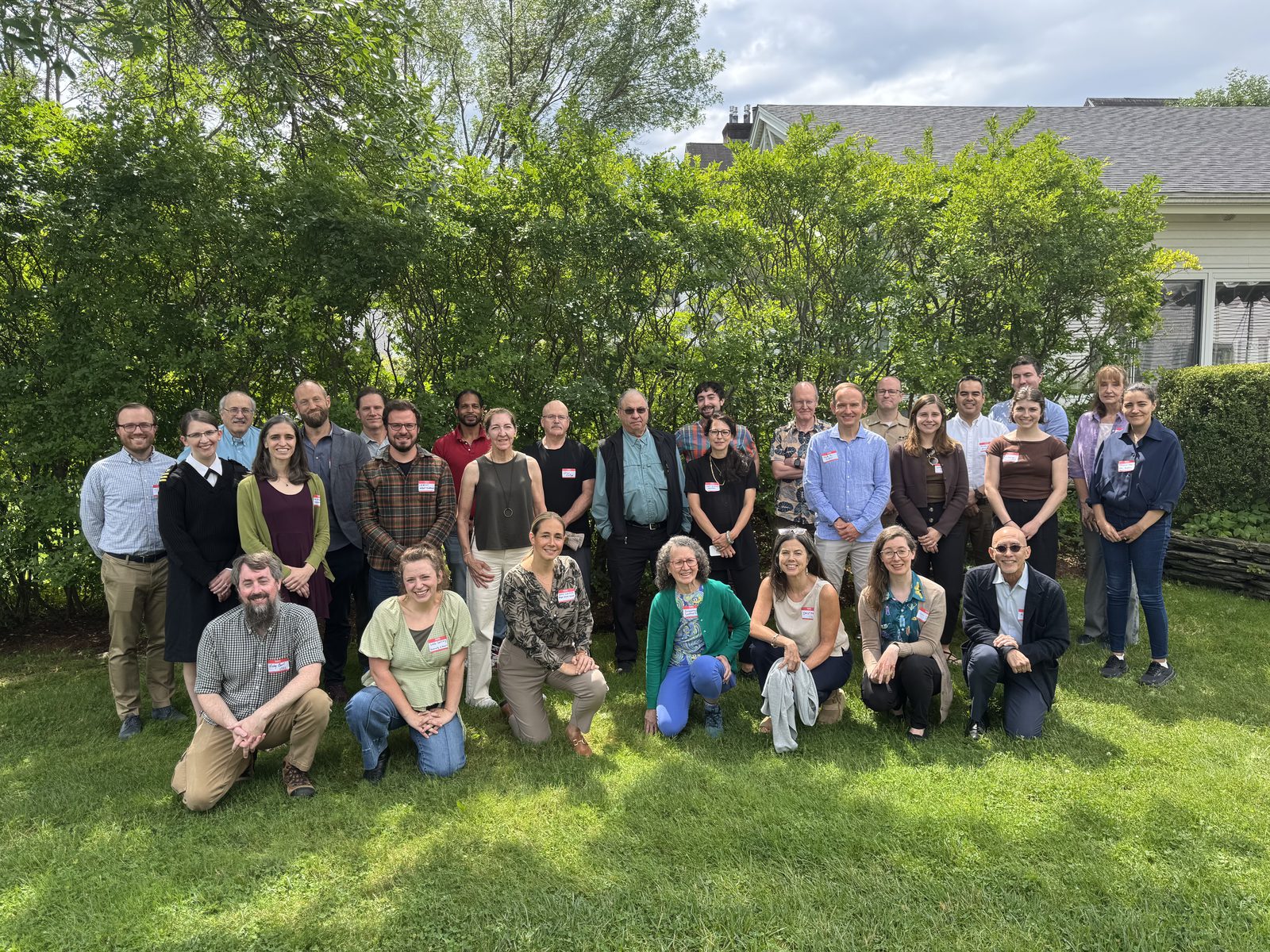
We held the Workshop on Public Health Policy, Risk Perception, and Infectious Disease at The Essex Resort and Spa in Essex, Vermont, on 10–12 August 2026 (an evening welcome reception on 10 August followed by two days of sessions on 11 and 12 August). The workshop brought together approximately thirty academic modelers and social scientists, epidemiologists from federal and state public health agencies, and communication professionals to learn how public health policy is formed and implemented, how models are used (or not) in that process, and what would make models more useful to the people who must act on them. Three framing talks, three panels, and four breakout sessions examined how policy interacts with risk perception and the behavioral changes that shape disease spread, and two artists from Event Rap performed a 'rap-up' of each session.
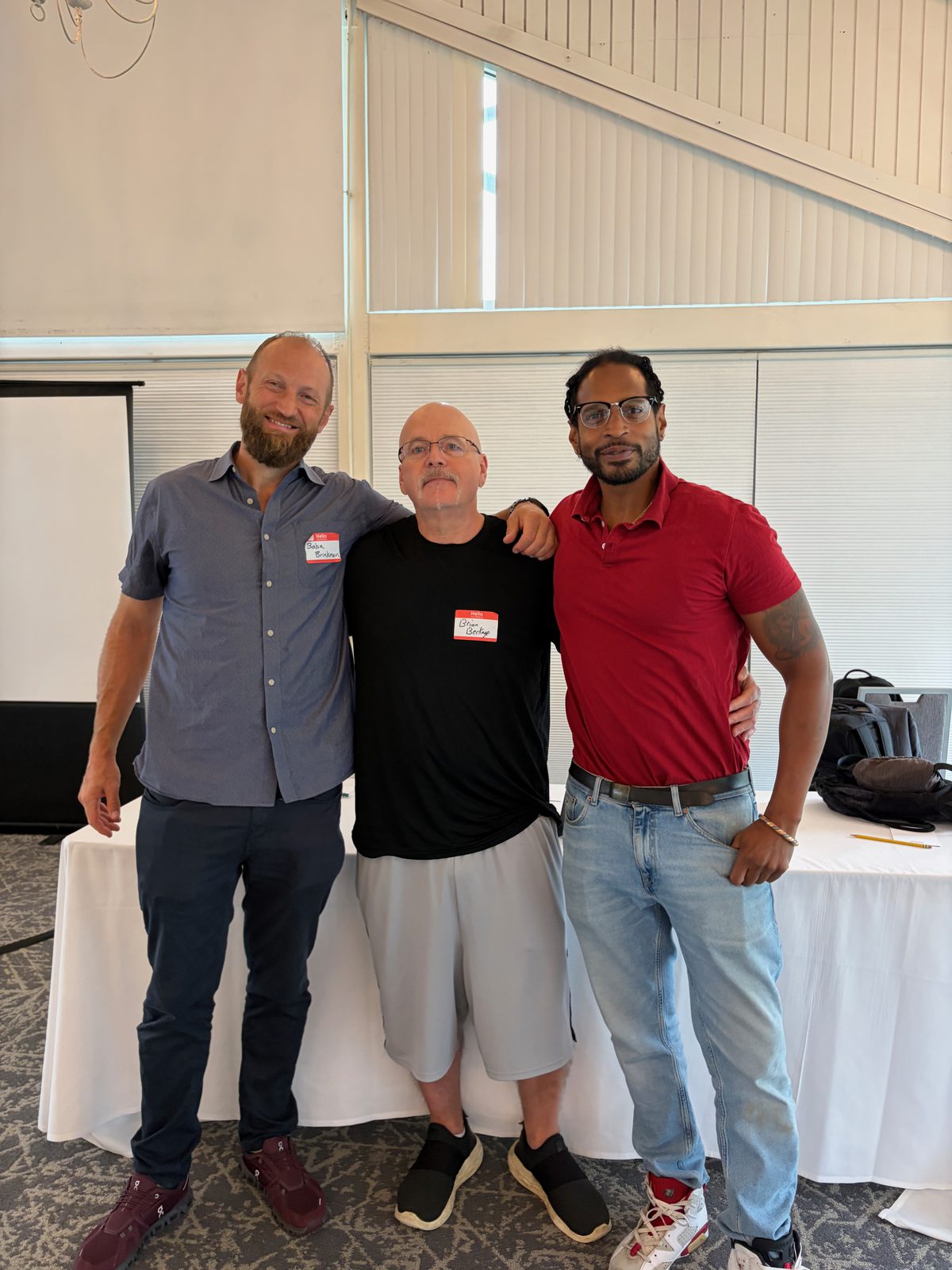
As part of the broader impacts of the project, we collaborated with Baba Brinkman of Event Rap to produce a peer-reviewed educational music video about epidemiological modeling, What the Models Know, which premiered at the workshop. Baba Brinkman and Dex McBean also presented 'rap ups' during the workshop:
Chicken or Egg (Baba Brinkman and Dex McBean)
Etiquette Guide (Baba Brinkman)
Epidemio-Logical (Baba Brinkman and Dex McBean)
The discussions and main findings of the workshop are summarized in the workshop report.
The University of Vermont news release on the workshop, Experts convene to bridge the gap between epidemiological modeling and public health practice, was published on EurekAlert! on 31 August 2026, and Event Rap describes its part in the workshop in a case study.
Photos from the workshop:
August 2026 project meeting at the University of Vermont, held with the public policy workshop (photos of the project leadership team are in the workshop section).
Project team members at the Ecology and Evolution of Infectious Diseases (EEID) meeting at Virginia Tech, June 2026:
December 2025 project meeting at the University of Tennessee, Knoxville.
Photos from the 07 July to 11 July 2025 project meeting: